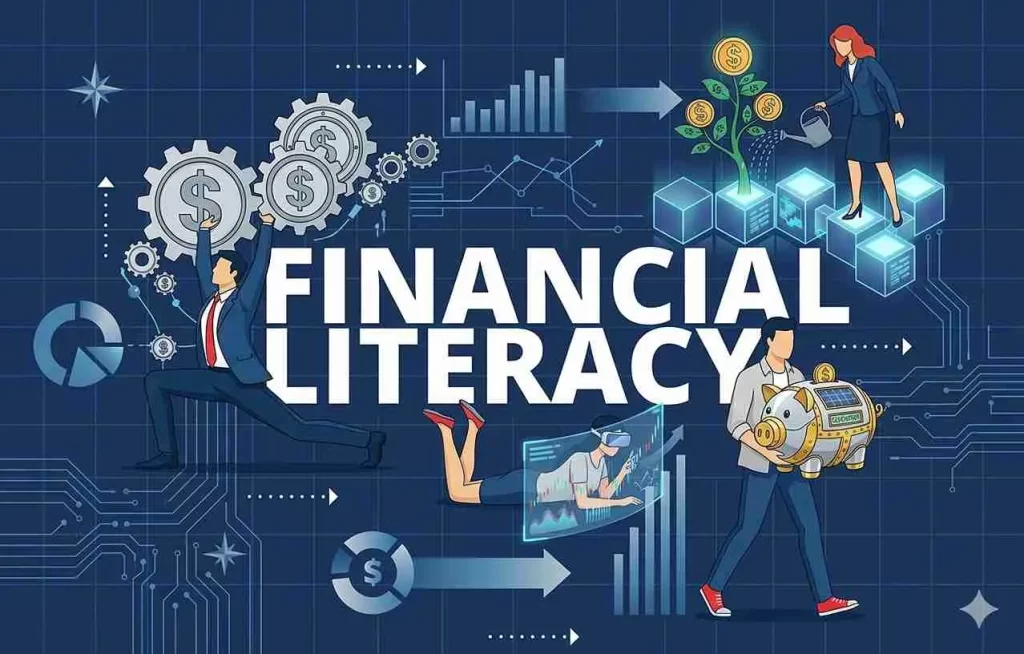
In the rapidly shifting economic landscape of 2026, the financial world has become more accessible yet infinitely more complex. From the rise of decentralized finance (DeFi) to the gamification of retail trading, young people are interacting with sophisticated financial instruments earlier than any previous generation. However, as Annamaria Lusardi from Stanford University emphasizes: “When it comes to money matters, young people who know better, do better.” The core challenge we face today is not a lack of access to capital, but a gap in Financial Literacy. To ensure long-term economic resilience, we must break the long-standing social taboos around “money talk” and empower the youth to navigate the risks and rewards of the modern market.
1. The New Frontier: Access vs. Understanding
Today’s youth—often referred to as digital natives—can open an investment account or apply for credit in seconds. While this “democratization of finance” is a positive step toward inclusive wealth, it also exposes young investors to high-stakes risks without a traditional safety net.
Without a solid foundation in Macroeconomic Indicators and Risk Mitigation, many find themselves trapped in high-interest “Buy Now, Pay Later” (BNPL) cycles or volatile speculative bubbles. Improving financial literacy is no longer just a personal advantage; it is a critical requirement for global economic stability.
2. Normalizing the “Money Conversation”
For decades, talking about one’s salary, debt, or savings was considered impolite. This silence, however, only serves to breed misinformation. Encouraging young people to “talk money” at home, in schools, and within social circles is the first step toward Financial Empowerment.
Peer-to-Peer Transparency: When young adults discuss their Budgeting Frameworks or investment mistakes with peers, it demystifies complex jargon and fosters a culture of shared learning.
Mentorship and Guidance: Connecting the youth with established financial advisors helps them look beyond short-term “hacks” and focus on Long-Term Wealth Goals.
3. Navigating Risk in a Digital-First Economy
In 2026, financial literacy is inseparable from digital literacy. Algorithms often prioritize engagement over education, leading young investors toward high-risk Asset Classes. A comprehensive educational approach must cover:
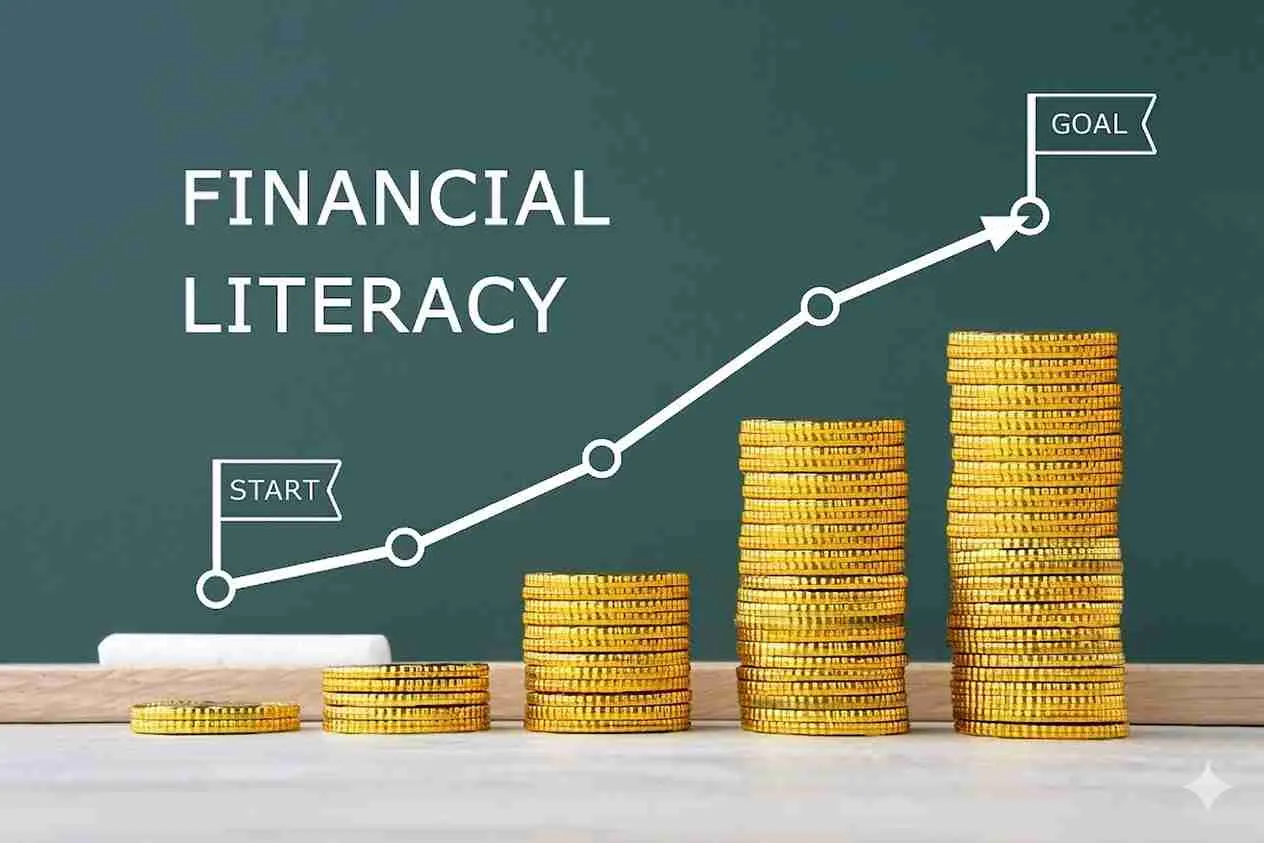
The Power of Compound Interest: Understanding how starting an investment journey at age 20 versus 30 can lead to a massive difference in Capital Appreciation.
Debt Management: Learning to distinguish between “good debt” (investing in education or real estate) and “bad debt” (high-interest consumer credit).
Diversification: Moving beyond the “all-in” mentality to build a Diversified Portfolio that can withstand market volatility.
4. The Institutional Responsibility
As highlighted by the World Economic Forum (WEF), the burden of financial education should not rest solely on the individual. Financial institutions, educational bodies, and governments must provide unbiased, evidence-based information.
Programs like the Initiative for Financial Decision-Making are essential for creating standardized tools that help the youth calculate their Net Worth and understand Market Liquidity. Banks should move from being mere service providers to being educators, ensuring that every financial product comes with clear, accessible information about its long-term impact on a user’s Credit Score.
5. Investing in Human Capital
Ultimately, a financially literate youth population is a more productive and stable society. By teaching young people to prioritize Asset Allocation over impulsive consumption, we are effectively investing in Human Capital. Financially savvy individuals are more likely to launch successful startups, buy homes, and retire comfortably without relying heavily on state interventions.
Conclusion: A Legacy of Financial Agency
The ultimate goal of encouraging young people to talk about money is to give them Agency. Financial literacy is not merely about accumulating numbers on a screen; it is about the freedom to make informed life choices. Whether it is choosing a career path, starting a family, or traveling the world, every life goal is underpinned by financial health.
As we move further into 2026, let us stop treating money as a secret and start treating it as a vital life skill. By fostering a generation that is fluent in the language of finance, we are not just helping individuals “do better”—we are securing a more prosperous and resilient future for the entire global economy. The conversation starts now; it’s time to talk money.