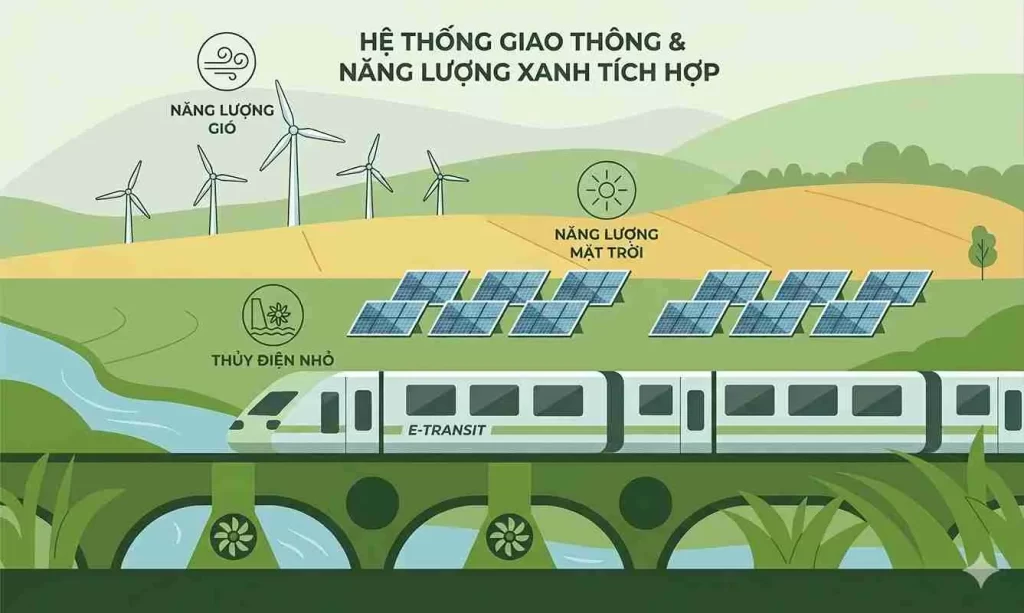
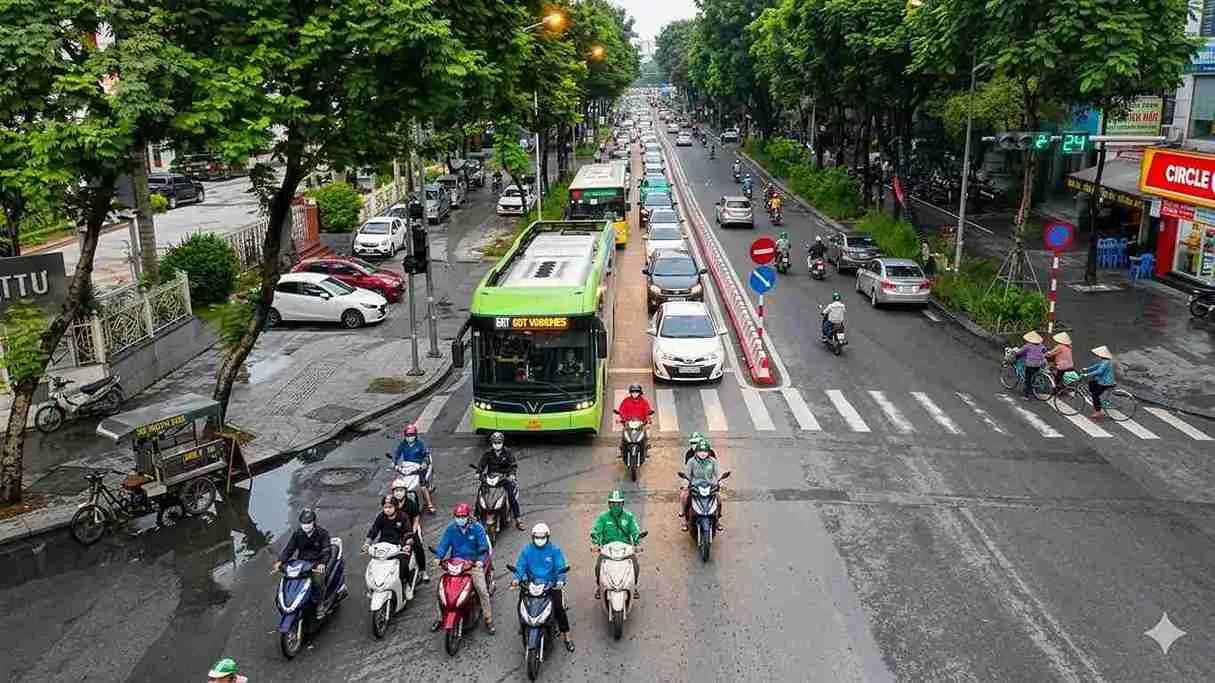
Hanoi is undergoing a profound transformation. Long known for its bustling streets and dense motorbike traffic, the capital city of Vietnam is now witnessing a significant cultural and structural change as Hanoi residents embrace green transport alternatives. This shift is not merely a trend but a strategic response to the dual challenges of rapid urbanization and environmental sustainability. From advanced traffic management to the rising popularity of electric vehicles and public transit, the city is carving out a new path for its digital and green future.
A Technological Foundation for Change
At the heart of this transition is a major turning point in city management. As of late March 2026, Hanoi has successfully integrated 1,837 AI cameras into traffic signals at 195 key intersections across the city. This citywide network is capable of monitoring and regulating traffic flow in real time, providing the necessary data to reduce congestion and make the streets safer for eco-friendly commuters. By optimizing traffic light cycles and identifying bottlenecks, this AI-driven system encourages more people to consider alternatives to traditional combustion-engine vehicles, knowing that their commute will be smoother and more efficient.
Youth: The Leading Force of Adaptation
The movement is being championed by a younger generation that is increasingly environmentally conscious and tech-savvy. As Hanoi residents embrace green transport alternatives, it is the youth who are stepping up as the leading force. Armed with adaptability to new technologies and a creative mindset, young Hanoians are the primary adopters of electric motorbikes, bicycles, and ride-sharing apps that focus on low-emission travel. This demographic recognizes that digital transformation and green transit are “unstoppable trends” that improve the overall quality of life in the capital.
Their influence extends beyond just choosing a vehicle. Vietnamese universities are also climbing global rankings in disciplines such as engineering and technology, producing a workforce capable of maintaining and innovating the very “green” systems the city is adopting. For instance, Duy Tan University maintained a strong worldwide standing in engineering and technology (placing 346th), ensuring a steady pipeline of technical talent to support the city’s modern infrastructure.
Education and Global Connectivity
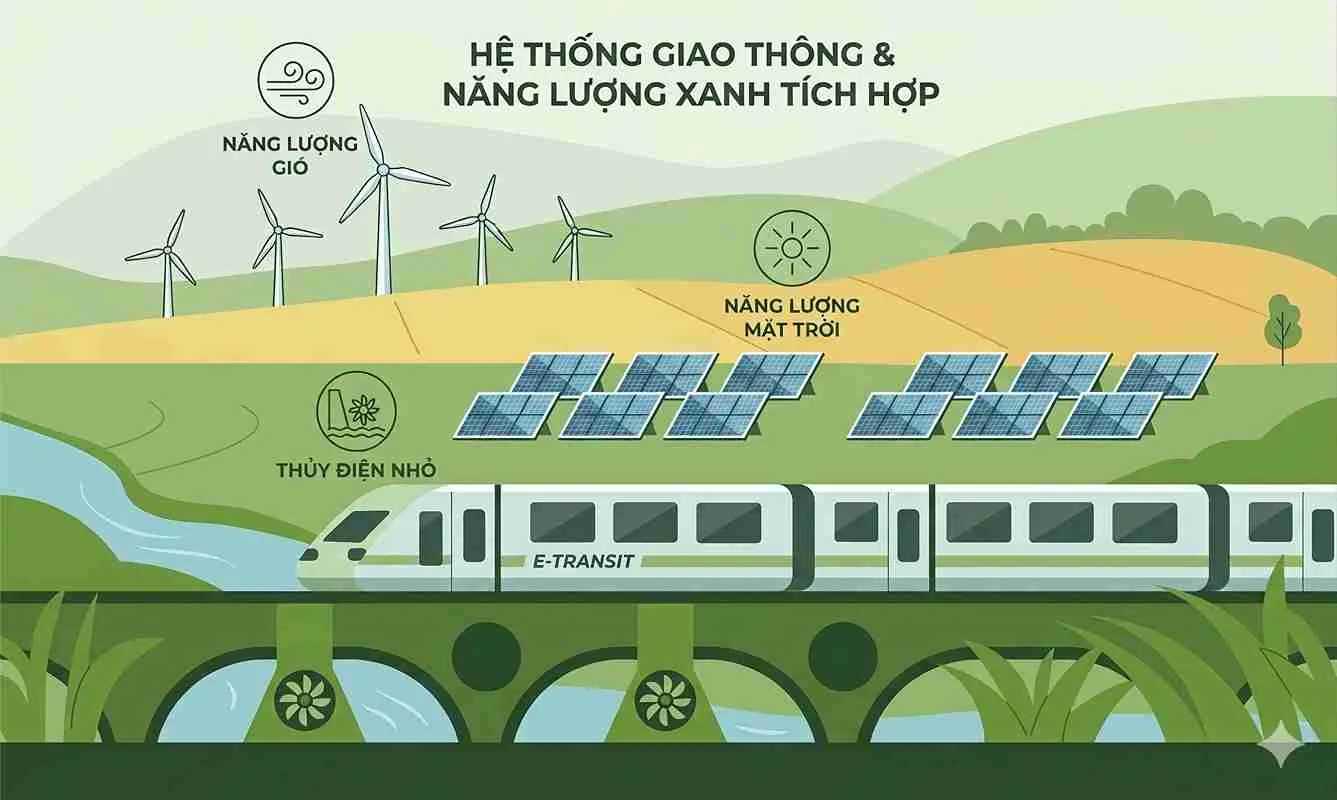
The shift toward sustainability is also reflected in the city’s educational and international exchanges. The establishment of centers like the Vietnam Studies Centre at Thailand’s Khon Kaen University promotes cultural and educational cooperation, allowing for a cross-border exchange of ideas on urban planning and sustainable development. Furthermore, the recognition of outstanding young Vietnamese scientists, such as Dr. Pham Anh Tuan and Dr. Dang Thi Le Hang, highlights the country’s growing expertise in biomedical materials and influential science—fields that often overlap with the development of sustainable energy and green technology.
Strengthening National Infrastructure
While Hanoi residents embrace green transport alternatives, the government is also tightening controls on energy security. Recent directives have instructed customs units to step up inspections of vehicles suspected of fuel smuggling at land borders and seaports. By safeguarding energy security and ensuring fuel quality, the state creates a more stable environment for the gradual transition toward alternative energy sources.
Conclusion: A Greener Horizon
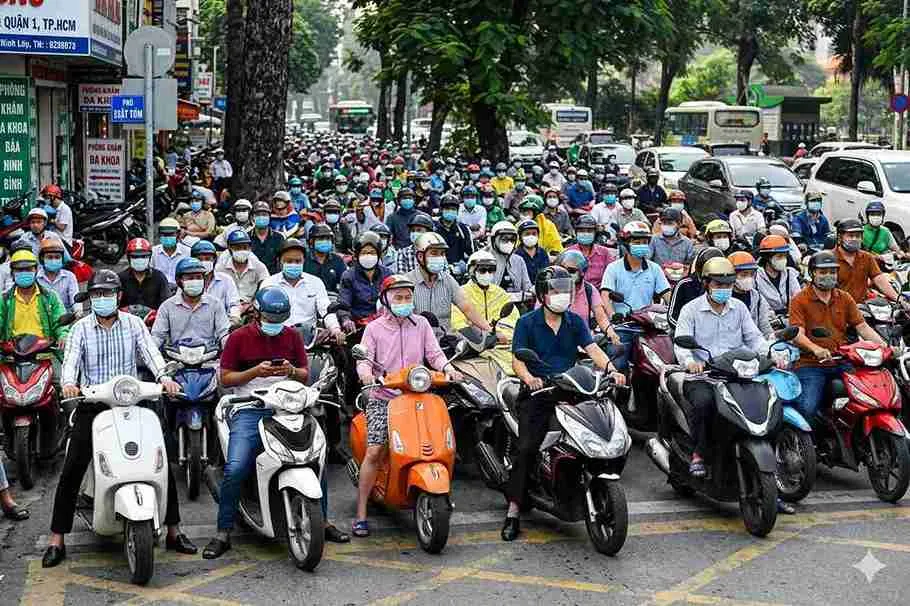
The story of Hanoi in 2026 is one of resilience and modernization. The successful implementation of AI traffic regulation, combined with a highly adaptable workforce and a focused digital strategy, has created a fertile ground for change. As more Hanoi residents embrace green transport alternatives, the city is not just solving a traffic problem; it is redefining its identity for the 21st century.
This evolution ensures that the “Thousand-Year-Old Capital” remains vibrant, breathable, and innovative, proving that technology and tradition can go hand-in-hand toward a sustainable future.