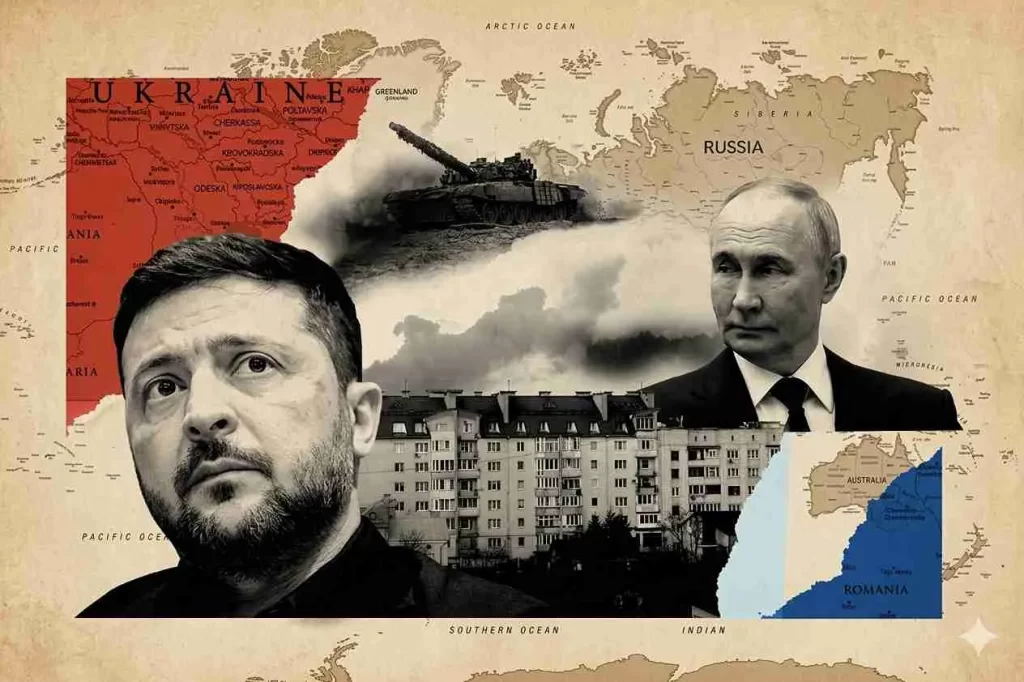
The outbreak of a major conflict is more than a humanitarian tragedy; it is a “black swan” event that sends immediate shockwaves through all Global Financial Assets. A comprehensive study titled “Estimating the impact of the outbreak of wars on financial assets: Evidence from Russia-Ukraine conflict” (Heliyon, 2023) provides a data-driven look at how modern markets react when the drums of war begin to beat.
By analyzing the Russia-Ukraine conflict alongside the Iraq and Libya wars, researchers have uncovered fascinating patterns in how different Global Financial Assets behave under extreme geopolitical pressure.
1. Introduction: War’s Outbreak and Global Financial Assets
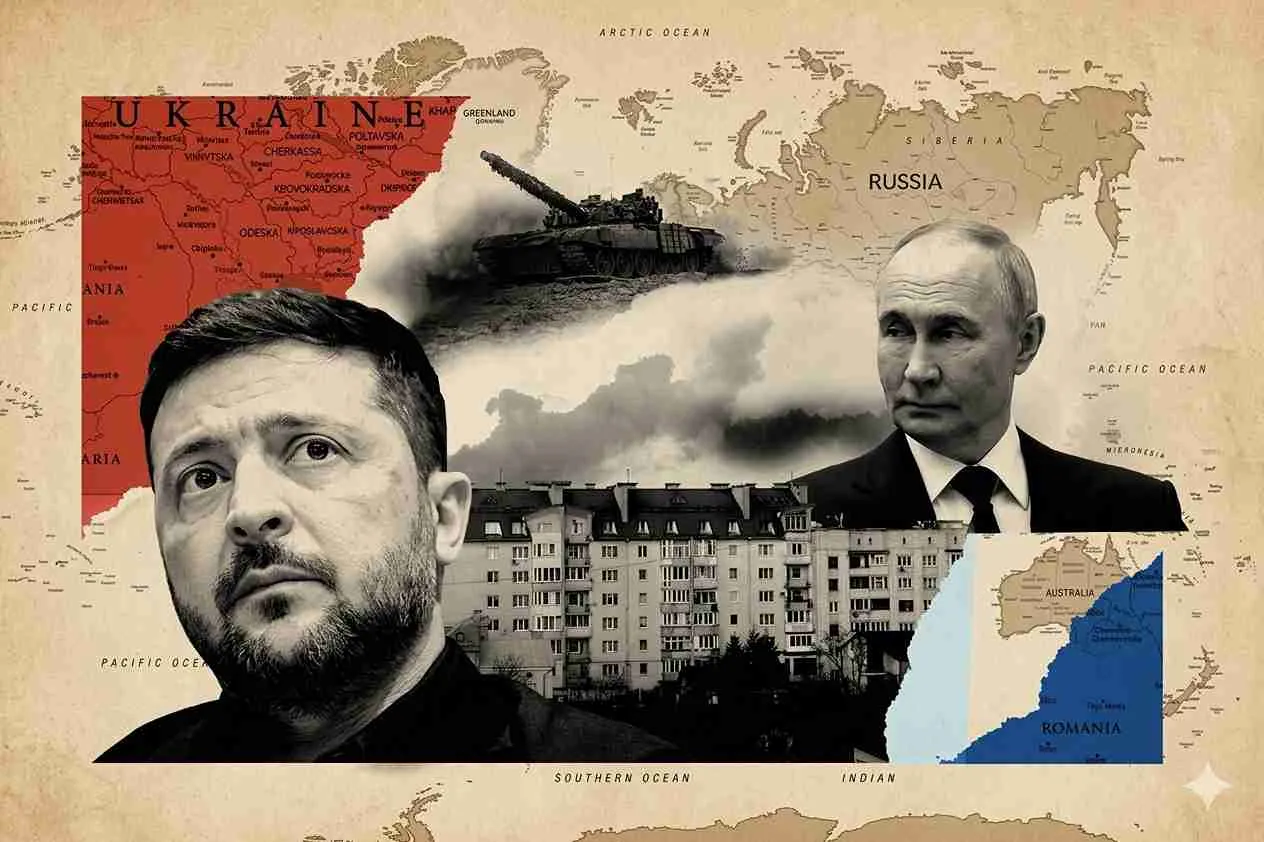
The onset of a major conflict is more than a humanitarian tragedy; it is a “black swan” event that sends immediate shockwaves through Global Financial Assets. The research paper “Estimating the impact of the outbreak of wars on financial assets: Evidence from Russia-Ukraine conflict” (2023) provides a data-driven look at how modern markets react when geopolitical tensions peak.
By analyzing the Russia-Ukraine conflict alongside the Iraq and Libya wars, researchers have uncovered fascinating patterns in how different asset classes behave under extreme pressure. For more on the historical context of market shocks, see this analysis of geopolitical risk (External Resource).
2. Geopolitical Contagion and Global Financial Assets Ecosystem
Warfare impacts the world through multiple channels. Beyond physical destruction, economic globalization ensures that a shock in Eastern Europe is felt in stock exchanges from New York to Shanghai, directly shifting the valuation of various Global Financial Assets.
The 2022 conflict, for instance, triggered severe inflation in the US and hindered the Eurozone’s recovery. These “macro” shifts are immediately reflected in daily prices. The study uses an “Event Study” methodology to separate “normal” market behavior from the “abnormal” returns caused specifically by the news of the invasion.
3. Divergent Reactions Among Global Financial Assets
The research focused on four primary indicators to represent the broad spectrum of Global Financial Assets: the S&P 500 (USA), the Shanghai Composite Index (China), WTI Oil, and LBMA Gold.
| Asset Class | Impact of Conflict | Market Role |
| WTI Crude Oil | Sharp Increase | Strategic resource; drives production costs. |
| LBMA Gold Price | Significant Surge | Traditional “Safe Haven” during volatility. |
| S&P 500 Index | Notable Decline | Reflects high sensitivity to global risk. |
| Shanghai Composite | Relatively Stable | Potential new “Safe Haven” during conflicts. |
One of the most striking findings is the stability of the Shanghai Composite Index. While the S&P 500 reacted sharply to the outbreak, the Chinese market maintained a more consistent historical pattern, suggesting it may serve as a unique hedge within a portfolio of Global Financial Assets.
4. Energy Shocks and the Stability of Global Financial Assets
Energy is the lifeblood of the modern economy. The study reaffirms that war creates a supply-side shock, particularly when an energy giant like Russia is involved. The rise in WTI oil prices affects almost all Global Financial Assets by increasing manufacturing and logistics costs worldwide. This suggests that policymakers must prioritize strategic reserves to protect domestic financial stability from such inevitable spikes.
5. Statistical Modeling: Measuring Risk in Global Financial Assets
Using advanced tools like the Difference-in-Differences (DID) model, the authors proved that the impact of war is a measurable shift in asset stability. By comparing a “treatment group” (affected assets) against a “control group” (stable assets), researchers can isolate the exact price movement caused by the conflict. For those managing Global Financial Assets, this precision helps predict which sectors will collapse and which will persevere.
6. Conclusion: Future-Proofing Global Financial Assets
The Russia-Ukraine conflict serves as a grim reminder of how fragile global stability can be. For those overseeing Global Financial Assets, understanding these “regular patterns” of financial reaction is vital. By studying the past—from Iraq to Ukraine—investors and policymakers can better prepare for future volatility and safeguard long-term value.
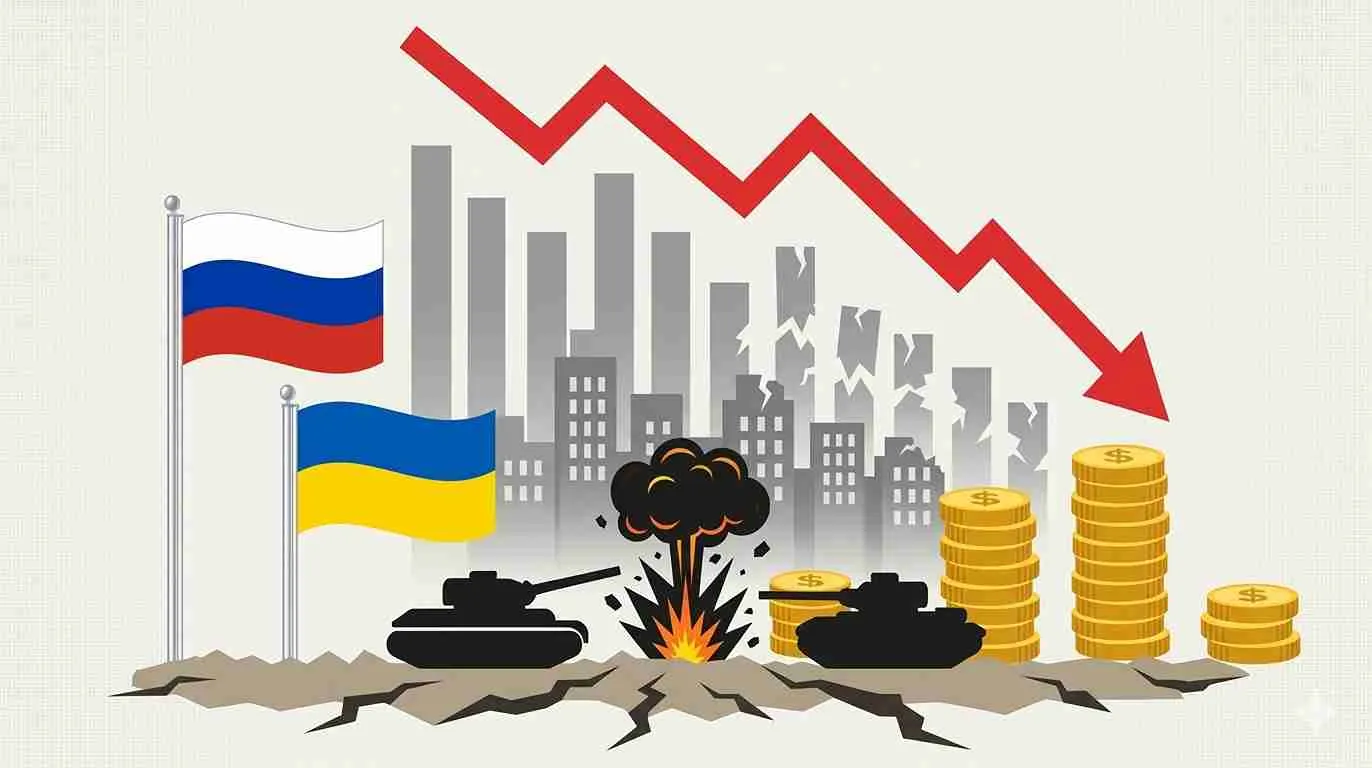
the-geopolitical-shockwave-estimating-the-impact-of-war-on-global-financial-assets
Conclusion:
The Russia-Ukraine conflict serves as a grim reminder of how fragile global stability can be. For those managing a portfolio of Global Financial Assets, understanding these “regular patterns” of financial reaction is vital. By studying the past—from Iraq to Ukraine—we can better prepare for the financial volatility of the future.
SEO Meta Description: Analyze how the Russia-Ukraine conflict impacts Global Financial Assets. Discover safe havens, energy shocks, and risk modeling based on the latest 2023 research.